Grab's 50-Vehicle AV Plan: What Punggol Riders Can Book and Pay
Grab plans to expand its Singapore autonomous fleet from 10 to 50. Punggol's fixed shuttles are free, while official pages differ on beta access and fare details for on-demand rides.
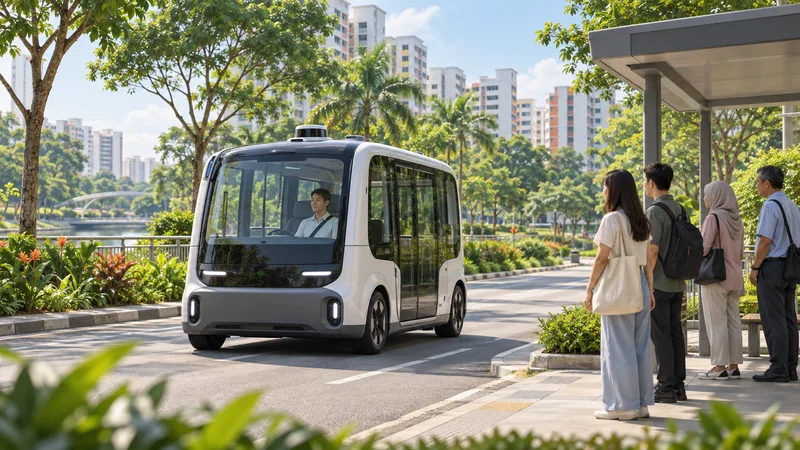
Grab's September 15 announcement set a six-month target to expand its Singapore autonomous vehicle (AV) fleet from 10 to 50. It also said the company wanted to extend coverage beyond Punggol, subject to regulatory approval. For local riders, the immediate questions are more specific: which rides are available, which remain free and what fares apply?
Grab's own pages do not give one clear answer about access to the on-demand service. A guide updated on October 5 says passengers can book direct rides for commercial fares. The separate RideAir booking page still labels on-demand AV rides as beta and asks users to join a waitlist. Both pages say the fixed-route shuttles continue to operate for free. The sources do not explain whether the on-demand option is open to all Punggol residents or only selected riders.
What Punggol riders can use
RideAir currently lists three fixed-route Ai.R shuttles: Routes 1 and 3, plus Route 3 Mini. It says they run Monday through Saturday, from 9:30 a.m. to 5:30 p.m., and that passengers can board without booking ahead. The page describes these rides as free.
The RideAir page lists the last Route 1 and Route 3 departures at about 4 p.m.; Route 3 Mini is listed until 5 p.m. Neither page publishes an on-demand fare, so passengers cannot yet compare its price with a human-driven Grab ride.
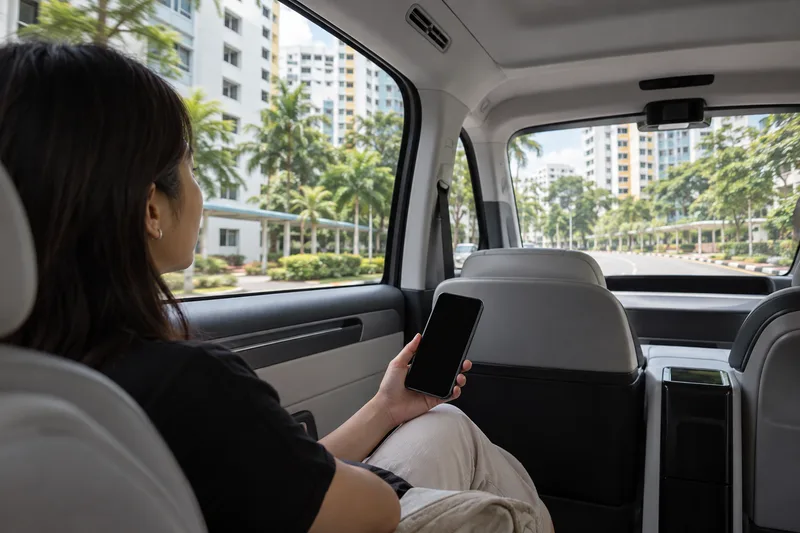
The on-demand option would work differently. Instead of following a fixed loop, an AV would take passengers directly between selected pick-up and drop-off points in Punggol. Grab's October 5 guide says the service is available and commercial fares apply. The RideAir page still presents on-demand rides as a beta with a waitlist, and neither page displays a fare amount.
A September Channel NewsAsia report described a Q4 public rollout after an initial trial. Grab's later guide says on-demand rides are available, while the booking page suggests access may still be staged. One possible explanation is that some riders can use the beta before broad public access; the pages do not state who qualifies. A commuter checking the service today should look at the live Grab or RideAir booking information for eligibility and price.
LTA's July notice says the on-demand pilot would initially connect existing pick-up and drop-off points on Routes 1 and 3, with more points added progressively. The option therefore describes a more direct trip between selected stops; it does not promise door-to-door pickup.
Why the route is changing
Singapore's Land Transport Authority said a July survey found demand for trips with more flexible pick-up and drop-off points. Among about 270 Punggol residents surveyed, nearly 60% preferred choosing where to board and alight, while around 40% preferred a more direct route. Those responses help explain the move from a fixed shuttle loop to on-demand routing; they are preferences from survey respondents, not a measure of every resident.
LTA also reported that more than 11,500 unique riders had used the shuttle by July 12. In a separate post-ride survey of around 900 respondents, 99% said they felt safe and would recommend the ride. Those figures describe different questions and samples; they do not establish demand at a commercial fare.
What the 50-vehicle target changes
Grab's target is to raise the fleet fivefold over six months. More vehicles could support additional trips and pick-up points in Punggol, but the number does not itself authorize service in another neighbourhood. Grab says any expansion beyond Punggol will follow regulatory approvals.
The company's September release reported that its fleet had logged more than 110,000 autonomous kilometres and served over 12,000 unique riders. It also said more than 1,000 people had joined a waitlist for new AV experiences. These are company-reported figures; a waitlist signals interest, not how often people will ride or what they will pay.
Grab also says it is building a local AV workforce. Its September announcement reported 30 certified safety operators, including six certified as remote operators, and said hundreds of new AV roles would be created. Those are company plans and training figures. They do not show how many existing ride-hailing driver hours or earnings may change.
The word autonomous can also give the wrong picture of a passenger ride with no human oversight. Grab's guide says a trained safety operator remains in the driver's seat during the initial phase, while the RideAir page says every ride receives remote support. The current service still includes human safety roles.
What riders still cannot tell
An r/singapore discussion of the fleet announcement asked whether an AV ride would be cheaper and what expansion could mean for private-hire vehicle drivers. The thread is a small community sample, not a survey. The questions remain open: Grab's materials say commercial fares apply to on-demand rides, but publish no fare amount, and they do not quantify effects on driver income or work hours.
Sources & further reading
- Grab expands autonomous fleet by fivefold and aims to broaden operations beyond Punggol to other locations in SingaporeGrab Singapore · accessed Oct 12, 2026
- Here’s how to ride Grab’s autonomous vehicles at PunggolGrab Inside Grab · accessed Oct 12, 2026
- RideAir Ai - Grab autonomous shuttle booking pageGrab / RideAir · accessed Oct 12, 2026
- Service Enhancements to Autonomous Shuttle Services in PunggolSingapore Land Transport Authority · accessed Oct 12, 2026
- Grab to expand autonomous vehicle fleet from 10 to 50, eyes services beyond PunggolChannel NewsAsia · accessed Oct 12, 2026
- Grab to expand autonomous vehicle fleet from 10 to 50, eyes services beyond PunggolReddit, r/singapore · accessed Oct 12, 2026