Australia's Card-Surcharge Ban Is Live: Which Fees Still Apply?
Since Oct. 1, Australian merchants cannot add card-only surcharges for several major card networks. Weekend fees, service charges and general prices are a separate question.
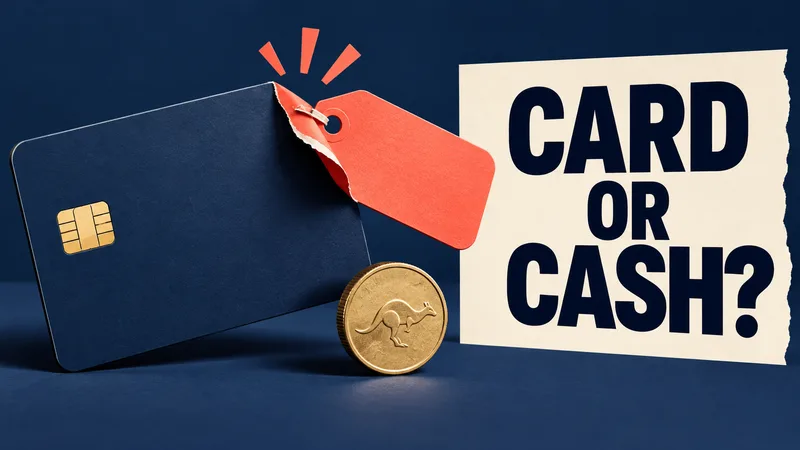
Australia's card-payment rules changed on Oct. 1, 2026. The new network rules remove separate surcharges for card payments on participating networks; they do not remove a merchant's processing costs or cap ordinary prices. For shoppers, the key question is whether a fee depends on the card used or applies to everyone.
Which card payments are covered
A card surcharge is an extra amount added because a customer chooses to pay by card. The Australian Payments Network's consumer FAQ says the rules cover in-store, online and digital payments, including cards stored in mobile wallets. They also cover overseas-issued cards used at Australian businesses. An Australian card used with an overseas merchant follows the rules where that merchant operates.
The Reserve Bank of Australia changed its framework so card networks could prohibit surcharges. eftpos, Visa and Mastercard applied the rule to credit, debit and prepaid cards. The RBA lists separate no-surcharge decisions by American Express, UnionPay and PayPal; PayPal's rule began on Oct. 5. The Australian Payments Network's business FAQ says JCB aligned voluntarily. These are network rules enabled by the RBA framework, not a direct order from the RBA to each shop.
The rules also apply to commercial and corporate cards on eftpos, Mastercard and Visa. A business paying a supplier by card is not exempt just because both parties are businesses; a network rule or specific law must allow any surcharge.
Fees that may remain
A charge that applies regardless of payment method is different from a card surcharge. A weekend or public-holiday fee, booking fee or service fee may remain if it applies to all customers and follows price-display laws. Renaming a fee does not change its nature: if it appears only after a customer chooses a card, it may still be a surcharge.
The RBA distinguishes checkout charges from costs a merchant pays, such as terminal rental or processing fees. A merchant may cover those costs through general prices, but they are not a separate card fee. The APN says a law or regulation can expressly allow some surcharges; taxi fares, for example, are governed by state and territory rules.
What may happen to prices
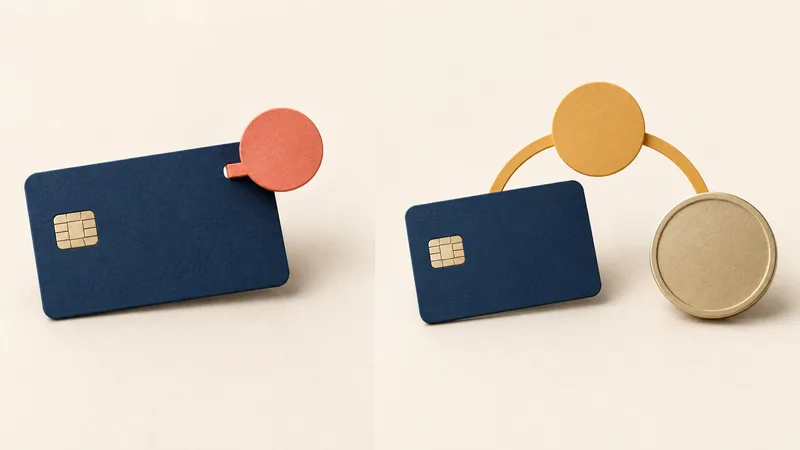
A business can include card-acceptance costs in its general price instead of adding a card-only line. The ACCC says prices may change, but advertising must not mislead customers about the amount or reason. Its salon example starts with a $60 haircut plus a 1% card surcharge; the salon could instead show one $60.60 price to every customer. The example explains the rule; it does not predict what every business will charge.
Businesses can still offer a cash discount or another payment-method discount if the terms are clear before a customer chooses how to pay. The displayed amount for customers who do not qualify must show the full price, and the discount cannot be more prominent than that amount. The rule removes a card-based extra fee; it does not guarantee lower overall prices or a different total for cash customers.
Which date and place matter
For a payment made on or after Oct. 1, the card rule applies even if the invoice was issued earlier. If an older invoice is paid later, check the fee at payment rather than assume the invoice date preserves a surcharge. The RBA advises merchants to check their payment provider's settings and terminal or online-checkout instructions.
The rule does not require a business to accept every card. If a particular card matters to an order, check the accepted payment methods before placing it. The RBA says merchants can generally choose whether to accept card payments, subject to local laws that require some businesses to accept cash.
How to check a fee
Keep the receipt and note the date, merchant, amount and network. If an extra amount appears, ask the business what it covers and request a refund if it appears to be a card surcharge. The RBA says consumers can alert the network. The ACCC does not enforce network rules or resolve an individual surcharge dispute, but it accepts reports about misleading price displays; a state or territory consumer agency may also help with a local complaint.
A payment provider may contact a merchant that keeps charging a prohibited fee, and network penalties may apply. For a weekend charge, taxi fare or other fee that applies regardless of payment method, check the relevant local rule before treating it as a card surcharge. Use the RBA FAQ, ACCC card-surcharge guidance and APN consumer and business FAQs to check whether a receipt line is card-only or applies regardless of payment method.
Sources & further reading
- Frequently Asked Questions: Removal of Card Payment Surcharges From 1 October 2026Reserve Bank of Australia · accessed Oct 11, 2026
- Card surchargesAustralian Competition and Consumer Commission · accessed Oct 11, 2026
- I've spent the first day of the card surcharge ban playing surcharge detectiveReddit, r/australia · accessed Oct 11, 2026
- Card Surcharge FAQs for BusinessAustralian Payments Network · accessed Oct 12, 2026
- Card Surcharge FAQs for ConsumersAustralian Payments Network · accessed Oct 12, 2026